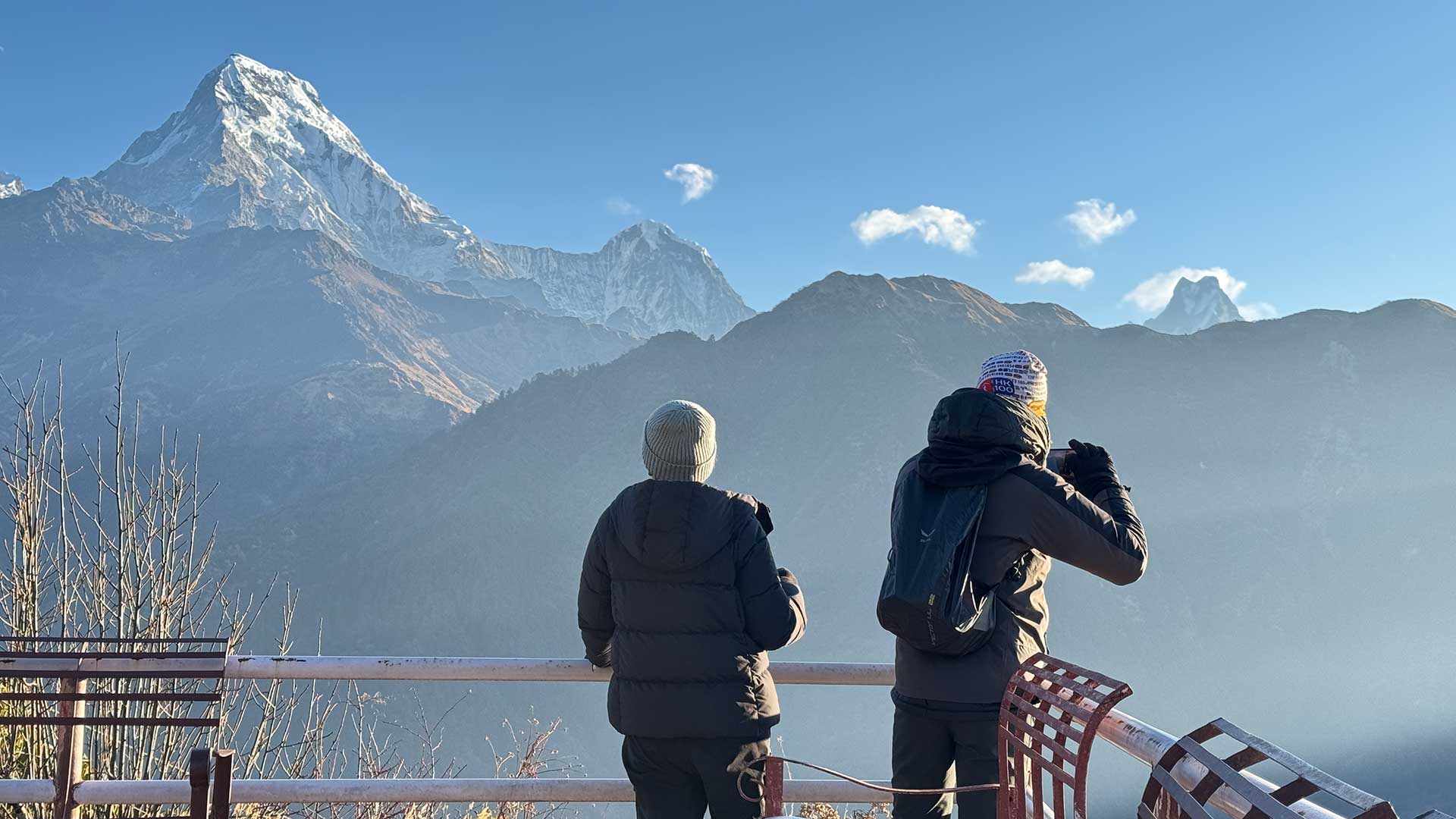
Everest Base Camp Trek with Trekker Nepal—Your Journey, Our Responsibility
The Everest Base Camp (EBC) trek is one of the world’s most remarkable mountain adventures. It takes you through traditional Sherpa villages, beautiful forests, suspension bridges, ancient monasteries, and dramatic Himalayan landscapes, with spectacular views of Mount Everest, Ama Dablam, Lhotse, Nuptse, and many other Himalayan peaks.
However, trekking to Everest Base Camp is more than simply walking to a famous destination. It is a high-altitude journey that requires preparation, patience, proper acclimatization, and an understanding of the local environment.
At Trekker Nepal, we want our guests to understand what to expect before starting their adventure. Our goal is to help you enjoy the mountains safely, experience authentic Sherpa culture, and make informed decisions throughout your journey.
Here is our practical guide to the Everest Base Camp trek, based on our experience operating trekking adventures in the Himalayas.
Your Everest Base Camp adventure usually begins in Kathmandu, Nepal’s capital city. Depending on your flight schedule, you may need to wake up as early as 4:30 AM to travel to the airport.
During busy trekking seasons, some flights to Lukla may operate from Manthali Airport in Ramechhap instead of Kathmandu’s international airport.
If your flight departs from Manthali, you may need to leave Kathmandu around midnight or 1:00 AM to reach the airport in time. Another option, depending on flight arrangements and accommodation availability, is to travel to the area the previous day and stay overnight.
Our recommendation: Confirm your departure airport and flight time in advance. An early start and a long road journey can be tiring before the trek even begins.
The flight to Lukla is one of the most exciting parts of the adventure. The mountain scenery and arrival at Tenzing-Hillary Airport make it an unforgettable experience.
Flight operations are highly dependent on weather and visibility, and delays or cancellations are possible. We recommend keeping extra days in your overall travel schedule, especially before an international departure from Nepal.
After landing, you will meet your local trekking team, organize your luggage, and begin walking through the Khumbu region.
The trek from Lukla to Phakding takes you through small Sherpa settlements, green hills, forests, and villages along the Dudh Koshi River.
You will see traditional houses, prayer wheels, mani stones, Buddhist prayer flags, and local teahouses. You will also encounter mules, donkeys, and dzopkyos — animals commonly used to transport supplies in the mountains.
The animals carrying supplies are an essential part of life in the Khumbu region. However, their droppings can create strong smells along certain sections of the trail.
When animals approach, move to the uphill side of the trail whenever possible and give them plenty of space. Avoid standing on the downhill edge, where there is a risk of being pushed toward the slope.
If you are sensitive to strong smells or dust, a light face mask or neck gaiter can be useful.
Take your first day slowly. Even though the distance may appear manageable, your body is beginning to adjust to the altitude.
The route toward Namche Bazaar crosses several suspension bridges above the Dudh Koshi River and its tributaries. The famous Hillary Suspension Bridge is one of the most memorable landmarks along this route.
Walking across these bridges, surrounded by deep valleys and towering mountains, is a thrilling experience for many trekkers.
The trek from Phakding toward Namche Bazaar includes a substantial uphill section, particularly after crossing the river near Monjo and entering Sagarmatha National Park.
This is one of the most demanding elevation-gain days on the standard Everest Base Camp route.
Take regular short breaks, drink water, and maintain a comfortable pace. There is no need to rush. Your objective is to arrive feeling reasonably comfortable rather than exhausted.
Namche Bazaar sits at approximately 3,440 metres and is the principal commercial hub of the Khumbu region.
Namche Bazaar is a lively Sherpa town built along the mountainside. It offers a combination of traditional Himalayan culture and modern trekking facilities.
You can find bakeries, cafés, restaurants, bars, pubs, shops, trekking equipment stores, internet access and places to purchase essential supplies.
It is an excellent place to rest, enjoy a warm drink and experience everyday life in the mountains.
Namche is an important acclimatization stop because your body needs time to adapt to the reduced oxygen available at altitude.
Many standard itineraries include two nights in Namche Bazaar, with a daytime acclimatization hike and a return to sleep at the same altitude.
Although some experienced trekkers may choose a shorter stay, we generally recommend allowing adequate acclimatization time rather than reducing nights simply to finish the trek faster.
Your guide should consider your previous altitude experience, walking pace, symptoms, and overall itinerary before recommending any changes.
One of the most rewarding experiences in the Everest region is exploring beyond the main trekking trail.
Many visitors hike to Everest View Hotel and return directly to Namche Bazaar. While the hotel offers impressive mountain scenery, we encourage our guests to consider visiting Khumjung Village as well when their itinerary and physical condition allow.
Located at approximately 3,880 meters, Everest View Hotel is famous for its panoramic mountain setting. On clear days, trekkers may see Mount Everest, Ama Dablam, Lhotse, and other Himalayan peaks.
Enjoy the views, take photographs, and allow time to appreciate the landscape.
Remember that reaching this elevation is also part of your acclimatization process. Walk slowly and tell your guide if you develop a headache, nausea, unusual fatigue, or dizziness.
Khumjung is a traditional Sherpa village where you can learn more about local culture, architecture, education, and community life.
Depending on opening arrangements, you may be able to visit:
The Hillary educational legacy is an important part of the area’s history. His work through the Himalayan Trust helped support schools, health facilities, and other community projects.
We believe that meeting local people and understanding their way of life can make your Everest Base Camp journey much more meaningful than simply visiting famous viewpoints.
For trekkers who are acclimatizing well, have no altitude symptoms, and have an itinerary approved by their guide, one possible option is to spend the first night in Namche Bazaar, explore the Everest View Hotel and Khumjung area the following day, and continue toward the next overnight stop.
However, this is not suitable for everyone. Combining sightseeing with a longer walking day and moving onward can reduce recovery time. If you are new to high altitude, have experienced altitude illness before, or are not feeling well, keeping the second night in Namche is the more conservative choice.
The standard Everest Base Camp route generally continues through Tengboche before reaching Pangboche.
Tengboche is famous for its monastery and beautiful mountain setting. It is a worthwhile cultural stop, but it can become crowded during busy trekking seasons because accommodation capacity is limited.
Pangboche, a traditional Sherpa village at approximately 3,930–4,000 meters depending on the location, can offer a quieter overnight experience when suitable accommodation is available.
Kyangjuma and the surrounding trail also offer wonderful mountain scenery.
At Trekker Nepal, we can consider alternative overnight arrangements for suitable itineraries. For example, after visiting the Everest View Hotel and Khumjung, a trekker who is acclimatizing well may continue through the Tengboche area toward Pangboche, subject to the route, pace, weather, and available accommodation.
However, Tengboche should not automatically be skipped. The monastery is an important cultural landmark, and the longer walking day to Pangboche may not be appropriate for everyone.
We plan the route according to the guest’s needs rather than treating the shortest itinerary as the best itinerary.
On clear days, this part of the route offers impressive views of:
Mountain visibility depends on weather and cloud conditions, so views cannot be guaranteed.
Porters normally carry the group’s main luggage between overnight stops according to the agreed itinerary and local arrangements.
If the group changes its overnight location, the porter schedule, luggage transfer, and daily walking distance must also be adjusted. Our team coordinates these arrangements so guests can focus on walking safely and enjoying the journey.
After Pangboche, the trail continues toward higher settlements such as Dingboche, Lobuche and Gorakshep before reaching Everest Base Camp and Kala Patthar.
The exact itinerary depends on your departure date, acclimatization schedule, fitness, weather, and chosen package.
Dingboche, at approximately 4,410 metres, is an important acclimatization stop on many itineraries. Trekkers often spend an additional night here and take a gradual daytime hike to a suitable viewpoint.
Lobuche is a high-altitude settlement surrounded by dramatic rocky mountains and glacial landscapes. Accommodation is basic compared with lower villages, and temperatures can be very cold.
Gorakshep, at approximately 5,164 metres, is one of the highest overnight settlements on the standard route. Facilities are limited, and nights can be particularly cold.
Everest Base Camp is approximately 5,364 metres high, although the precise location can vary with the season and expedition activity.
The route passes through the extraordinary landscape of the Khumbu Glacier and surrounding mountains. Reaching base camp is a major achievement, but it does not guarantee a view of the summit of Mount Everest.
Kala Patthar is a famous viewpoint, commonly reached at around 5,545 metres, depending on the exact point reached. Many trekkers visit early in the morning for views of Everest and neighbouring peaks.
The ascent is demanding because of the altitude, cold, and steep terrain. Reaching the highest point is not compulsory. Your guide should help you decide whether to continue, turn around, or rest based on conditions and your health.
Important: Everest Base Camp and Kala Patthar are high-altitude destinations. Good physical fitness helps, but it does not eliminate the risk of altitude sickness.
Altitude is one of the most important factors to understand before trekking to Everest Base Camp.
As you gain elevation, the amount of oxygen available with each breath decreases. Your body needs time to adapt, and altitude sickness can affect fit, experienced trekkers as well as beginners.
Possible symptoms include:
These symptoms should never be ignored simply because you have paid for a trekking package or want to reach base camp.
The following symptoms may indicate a life-threatening altitude emergency:
If serious symptoms occur, inform your guide immediately. The person may need to descend urgently and receive medical assistance. Oxygen and other emergency treatment may be needed while evacuation is arranged.
There is no itinerary that can guarantee you will avoid altitude sickness. Previous successful treks do not guarantee the same response on a future trip.
Helicopter evacuation is an important emergency option in the Everest region, but it is not a service that can be guaranteed at any location or at any time.
In serious medical situations, a helicopter may be arranged where weather, visibility, landing conditions, operational restrictions, and aircraft availability permit.
In some circumstances, the person may first need assistance reaching a suitable landing area or lower elevation. Bad weather can delay or prevent a flight, and evacuation arrangements may take time.
The correct response depends on the medical condition and the circumstances. In suspected serious altitude illness, descent should not be delayed while waiting for a helicopter.
Before arriving in Nepal, purchase travel insurance that explicitly covers:
Read the policy carefully. Some policies exclude high-altitude trekking, mountaineering, pre-existing conditions or certain rescue expenses. Confirm the altitude limit and the insurer’s authorization process.
Do not assume every insurance policy covers helicopter rescue, and do not assume that having insurance means a helicopter will always be available.
Keep your insurance details and emergency contact numbers accessible throughout the trek.
Not every trekking difficulty is a medical emergency. Some trekkers experience knee pain, ankle discomfort, muscle fatigue or difficulty continuing on foot.
If you have a minor problem, tell your guide early. Continuing to walk with an injury may make the situation worse.
During parts of the trekking season, horses or ponies may be available for hire in certain villages or along sections of the trail.
As an indicative guide, horse assistance may cost approximately USD 100–300 per day, depending on the route, altitude, distance, season, availability and whether the animal needs to travel back with its handler.
This is an estimate, not a fixed or guaranteed rate. Short journeys may be priced differently, and services may not be available at every location.
A horse is not an appropriate substitute for medical evacuation when someone has serious altitude sickness, breathing difficulties, confusion or another potentially life-threatening condition.
If you are unable to continue walking, your guide should first assess the situation and determine whether you need medical attention, a supported descent, horse assistance or emergency evacuation.
Most standard Everest Base Camp trekking itineraries use local teahouses or mountain lodges.
Facilities become more basic as you ascend. Rooms may be simple, bathrooms may be shared, and hot water may cost extra.
At higher elevations, sleeping bags suitable for cold mountain conditions are important. Trekker Nepal can advise on suitable equipment and rental options.
Teahouses generally offer meals such as dal bhat, noodles, soups, rice, potatoes, eggs, porridge, and other locally available dishes.
As you ascend, food choices may become more limited, and prices generally increase.
For drinking water, use treated, filtered, or properly boiled water. Carry a reusable bottle and an appropriate water-treatment method, and follow your guide’s advice.
We encourage responsible travel practices, including reducing single-use plastic where practical.
Your trekking package may cover accommodation, meals, permits, a guide, porter services, and other agreed arrangements. However, personal purchases and certain lodge services may not be included.
We recommend carrying some Nepalese rupees in cash because card facilities and reliable internet access are limited in many mountain settlements.
| Item | Indicative cost |
| Bottled or treated drinking water | Varies by location and method |
| Hot shower | Approximately USD 3–10 |
| Wi-Fi or internet access | Approximately USD 3–10 |
| Battery charging | Approximately USD 3–10 |
| Tea, coffee and soft drinks | Varies by item and altitude |
| Snacks and personal purchases | Depends on preference |
| Horse assistance | Approximately USD 100–300 per day, depending on arrangements |
| Sleeping bag rental through Trekker Nepal | Approximately USD 3 per day, subject to confirmation |
These are planning estimates, not guaranteed current prices. Costs vary by lodge, location, season, service, and exchange rate. Some services may be unavailable.
For a trek of around 12–14 days, USD 100–300 per person is a reasonable initial budgeting guide for personal extras, depending on your habits and the services you expect to use.
Trekkers who frequently purchase drinks, snacks, hot showers, internet access, and charging services may spend more. Horse assistance, emergency transport, tips, and other major extras should be budgeted separately.
Confirm with Trekker Nepal which services are already included in your package to avoid paying twice.
Mobile connectivity and internet access vary considerably along the route.
NTC and other available networks may work in some settlements, but signal strength is not consistent throughout the trek. Internet services offered by lodges may be slow or unavailable during bad weather or power interruptions.
Battery charging may be available for a fee, especially at higher settlements.
Porters are an important part of trekking operations in the Everest region. They transport the main luggage so that trekkers can walk with a lighter daypack.
Trekker Nepal confirms porter arrangements according to group size, route, staff availability and the package booked.
A common arrangement is approximately one porter for two trekkers, but the exact ratio may vary.
Always confirm the actual luggage limit with your operator before departure. Airline baggage restrictions and local porter arrangements may differ.
Treat porters fairly. They should not be expected to carry excessive loads, and their equipment, clothing, food, accommodation and working conditions matter.
The Everest region is famous for its changing mountain weather. Flights to Lukla can be delayed or cancelled because of poor visibility, wind, or other operational restrictions.
Weather can also affect trekking conditions, mountain views, helicopter services and access to certain sections of the trail.
If your Lukla flight is delayed, your guide and operator will discuss the available options, which may include waiting for the next flight or considering an alternative transport arrangement where operationally possible.
Helicopter flights may be available at an additional cost, but availability, passenger capacity, weather and airline or aviation rules determine what is possible.
We recommend allowing buffer days before an international departure from Kathmandu. This is especially important if you have a fixed international flight, work commitments or onward travel plans.
A well-planned itinerary should account for realistic walking times, acclimatization, weather risks and possible transport delays.
The Everest region is not just a trekking destination. It is home to communities with deep cultural and spiritual connections to the mountains.
As visitors, we should respect local traditions, religious sites and the natural environment.
Supporting local lodges and businesses also helps contribute to the communities that make trekking in the Khumbu possible.
Packing appropriately helps you remain comfortable and safe as the weather and altitude change.
This list should be adapted to the season, your itinerary and the equipment provided by your trekking operator.
You do not have to be a professional athlete to trek to Everest Base Camp. However, you should be prepared for multiple consecutive days of walking, often on uneven trails and steep uphill or downhill sections.
Many itineraries involve approximately 5–8 hours of walking on some days, although the duration varies with the route, weather, altitude, pace, and rest stops.
A useful preparation plan includes regular walking, hill training, stair climbing and aerobic exercise. Strengthening your legs and improving balance can also help.
Most importantly, remember that fitness and altitude tolerance are different things. Even a very fit trekker can develop altitude sickness.
If you have a significant medical condition or concerns about high-altitude activity, consult an appropriately qualified healthcare professional before travelling.
Yes, shorter itineraries are possible for some trekkers, but reducing the number of days can increase the demands of the journey and reduce opportunities for acclimatization.
We do not recommend shortening an itinerary simply to save time or money without considering the consequences.
Your itinerary should be based on your experience, available time, health, acclimatization needs and the advice of your trekking team.
At Trekker Nepal, we aim to provide a realistic program rather than promising that every trekker can safely follow the same schedule.
Trekker Nepal is a Nepal-based trekking and adventure company providing experiences across Nepal, Tibet and Bhutan.
As a locally operated Sherpa family business, we understand the importance of local knowledge, responsible travel, proper logistics and honest communication.
Our services can include:
Our aim is not simply to take you to Everest Base Camp. We want you to understand the journey, feel supported by your team and experience the Himalayas responsibly.
No operator can guarantee perfect weather, prevent every medical problem, or promise an evacuation under all conditions. We believe that honest information, careful planning, and clear communication are essential parts of a professional trekking service.
1. How many days are needed for the Everest Base Camp trek?
Many standard itineraries take around 12–14 trekking days, with additional time in Kathmandu and buffer days for possible delays. The appropriate duration depends on your route and acclimatization requirements.
2. Is Namche Bazaar worth spending two nights in?
For many trekkers, yes. Two nights allow time for an acclimatization hike and recovery before ascending further. Shorter alternatives should be considered only after assessing the individual’s condition and overall itinerary.
3. Can I get a helicopter rescue from Everest Base Camp?
Helicopter evacuation may be possible in an emergency, depending on weather, visibility, location, landing conditions, aircraft availability, and operational restrictions. It is not guaranteed. Appropriate travel insurance is essential.
4. What happens if I cannot walk because of leg pain?
Inform your guide immediately. Depending on the cause and severity, the appropriate response may involve rest, medical assessment, assisted descent, horse transport on suitable sections, or emergency evacuation.
5. How much extra money should I bring?
As an initial guide, consider USD 100–300 for personal extras on a 12–14-day trek, depending on your spending habits. Horse assistance, tips, and emergencies should be budgeted separately.
6. Is internet available during the trek?
Internet may be available in some lodges, but speed, coverage, and reliability vary. Do not rely on it for emergency communication.
7. Will I definitely see Mount Everest?
No. Mountain views depend on weather and visibility. Even if you reach Everest Base Camp successfully, cloud and changing conditions can limit the view of the summit.
8. Do I need travel insurance?
Yes. Choose a policy that explicitly covers high-altitude trekking at the maximum elevation of your itinerary, helicopter evacuation, medical treatment, and repatriation where necessary.
9. Can beginners trek to Everest Base Camp?
Many beginners complete the trek successfully with appropriate preparation, a realistic itinerary, gradual acclimatization and a suitable pace. Previous trekking experience is helpful but not an absolute requirement.
10. Is the Everest Base Camp trek safe?
It can be undertaken with careful planning and appropriate precautions, but it is not risk-free. Altitude sickness, falls, weather, flight disruptions and other emergencies are possible. Preparation, experienced local support, suitable insurance and willingness to change plans when necessary are important.
The Everest Base Camp trek is an opportunity to experience extraordinary mountain scenery, discover Sherpa culture and challenge yourself in one of the world’s most spectacular landscapes.
Prepare well, walk at your own pace, respect the mountains, and listen to your guide. Remember that reaching the destination is important, but returning safely is the real success.
Trekker Nepal — Your Journey, Our Responsibility.
Website: https://trekkernepal.com
Email: [email protected]
WhatsApp: +977-9849598213
Contact Trekker Nepal to discuss your Everest Base Camp itinerary, accommodation preferences, porter arrangements, acclimatization plan, and any special requirements before your adventure begins.

Last updated

I’m Larry, a client from Hong Kong and a retired police officer. I’ve been involved in climbing for about seven years, and since 2018, I’ve regularly trekked and climbed in Nepal. I was introduced to this trekking company through a friend, and after my first trip, I decided to continue working with them. The company
Read More…

致Trekker Nepal, 這是我第一次到尼泊爾徒步旅行,超級感謝你們專業的導遊服務,令我對沿途的風景山脈有更多的了解。亦很感謝Porter背負著我沉重的包包比我走得快很多,哈哈。 謝謝 在這個旅程中無微不至的照顧和愉快歡樂的相處!這次徒步旅行讓我體驗很深,相信我們很快會再見面,展開下一段旅程
Read More…
Langtang Trek During March 2025 me and friend travelled to Nepal to complete the Langtang Trek and climbed Charku Ri (5000m). Wangda Sherpa was our guide and we could not have asked for a better person. The trek took us to places that most people would never see in a lifetime and the memories made
Read More…
Trekking in Nepal I have recently returned to my home from Kathmandu having completed a 10 day trek with Trekker Nepal PVT. Ltd, being the Thole Demba Pikey Trek. Having twice done higher treks, I was charmed by this varied trek, We trekked through farms, mountain pasture, rice paddies, tropical rainforest and high plateaus with
Read More…
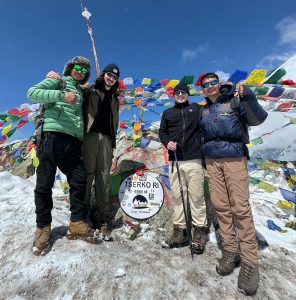
My trip to the langtang valley in March… My trip to the langtang valley in March 2025 was one I will never forget and the fantastic Wangda Sherpa made it so. If you’re looking to do any trekking in Nepal then I can highly recommend him. As mentioned in another review he brings an almost
Read More…
Mt Manaslu Expedition, By Larry CHAN, Hong Kong Organizing Company : Trekker Nepal Pvt. Ltd. Period : 2022-09-02 to 2022-10-03 Mt. Manaslu, a very attractive name for a first time 8000 climber like me. Mt. Manaslu is also regarded as a relatively easy mountain amongst the 14 Peaks (above 8000m). Climbers always take that as
Read More…
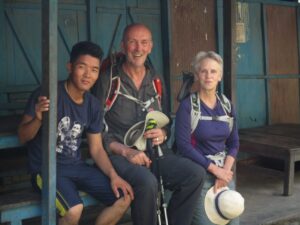
I have recently returned to my home from Kathmandu having completed a 10 day trek with Trekker Nepal PVT. Ltd, being the Thole Demba Pikey Trek. Having twice done higher treks, I was charmed by this varied trek, We trekked through farms, mountain pasture, rice paddies, tropical rainforest and high plateaus with wonderful mountain views.
Read More…
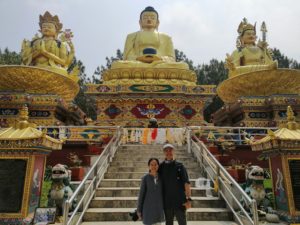
A friend went with Trekker Nepal many times and highly recommended them to us, so without a doubt, TN it was! During the planning stage, we communicated with Wangda of TN via Whatsapp the whole time. Wangda was helpful and quick to respond. He was happy to adjust the daily plan according to our needs.
Read More…
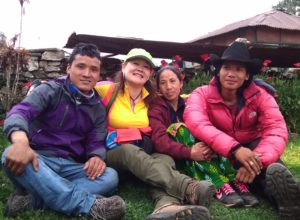
尼泊尔被徒步者称为天堂,地球上最高的14座山峰就有8座全部分布在尼泊尔境内,令人心神震撼,冲着这份震撼,我们一行28人,行程18天的尼泊尔ABC徒步之旅就此拉开序幕。 这是我第二次来尼泊尔,第一次来我领略了它古老的文化和虔诚的宗教。这次是终身难忘的ABC登顶。 3月,
Read More…
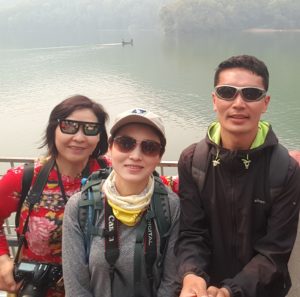
18天的尼泊尔徒步之旅是我旅行体验中最特殊最美好的一次。 Trekkernepal为我们提供的服务涵盖向导、医护急救、三餐、茶水等方方面面,事无巨细,体察入微,途中我们经常被他们的一些贴心周到的小细节感动到,比如雨后生出寒意时递过来的热姜茶;连续上坡在你最累的时候为你送来的果汁……更难得的是,整个徒
Read More…
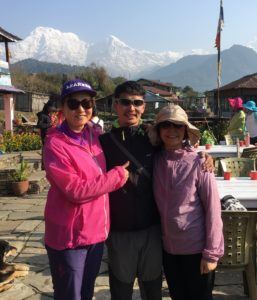
第一次来到尼泊尔!第一次登顶ABC!终身难忘的一次旅行!虽然旅途中体力的消耗超出我们的预想,但是身体的辛苦得到了超额的回报,这一切付出都是值得的,简直太值了!WELL WORTH IT! 雄伟庄严美丽纯净的不仅是喜马拉雅山脉自然风光,还有陪伴在我们左右为我们保驾护航的TREKKER NEPAL的5位
Read More…
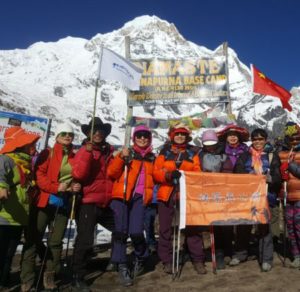
吴力平先生徒步后的感言一一今年三月春意来的特别早,春风它不经意地吹红了尼国高山杜鹃,烂漫艳丽的色彩,层林尽染,安娜普尔那山脉也因初春的暖流一消融千年寒冰,涓涓滴滴汇入溪谷…,回杭修整养生,白宰鸡红烧肉调补数天,可人却依然懒散,瞌瞳,迷糊,四肢倦怠。可不,人呵,就是这样犯贱。但是尼国ABC
Read More…
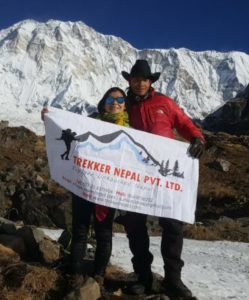
尊敬的贵公司,徒步旅行回家已经一个星期,一切又回归到正常的生活状态。历经了这次为期十天的徒步旅行,你们自始至终真诚的服务,让我深深的感动,从细微的小事中看出你们的真实和善良。从早上开始到我们的就寝,你们始终为了我们而努力的在付出。我们都是六十左右的老人,整个徒步行走的路上,你们都为我们考虑了很周到,
Read More…
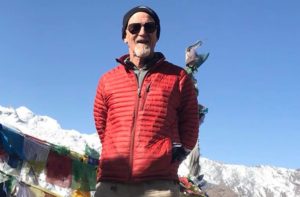
Langtang Trek was fabulous! So many wonderful moments. Thank you to our wonderful guides lakpa and phurba and our porter nema, and our remarkable photographer tenzing. Thank you jay and Tim for making our time in Nepal so memorable March 2018 USA
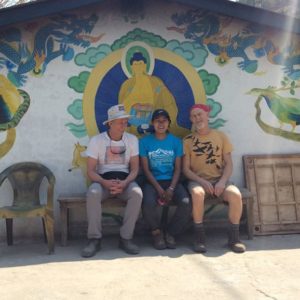
Tamang and Langtang Trek was fabulous! So many wonderful moments. Thank you to our superb guides lakpa and phurba and our porter nema, and our remarkable photographer Tenzing. Thank you for making our time in Nepal so memorable. I look forward to the next time trekking with you again. 18/03/2018
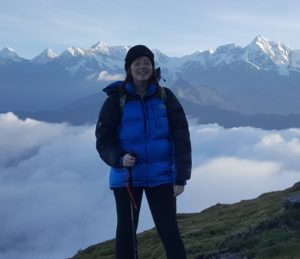
I feel lucky that my first trek in Nepal was with Wangda. His route to Pikey Peak was unique– it was a privilege to stay in his family home and with his other family members throughout the trek. We learnt about Sherpa life and culture first-hand and enjoyed many freshly prepared meals, which were extra satisfying after
Read More…
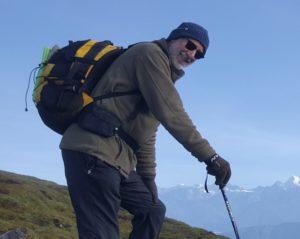
I have recently returned from a trek to Pikey Peak with Wangda Sherpa as our guide. It was my second visit to Nepal. The previous time was to the Annapurna region with Wangda’s father Lakpa as our guide. This time we were looking for a trek in a less commercialised region, with a chance to discover more about Sherpa
Read More…
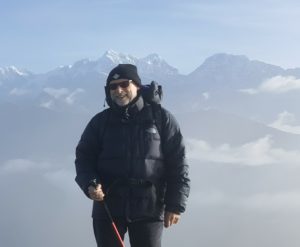
“For me, the walk with Wangda to Peekey Peak was the trip of a lifetime. I’d never travelled anywhere challenging before and was both excited and apprehensive about it, as I have dietary needs and a chronic health condition. I needn’t have worried as Wangda and his team took great care and always ensured that
Read More…
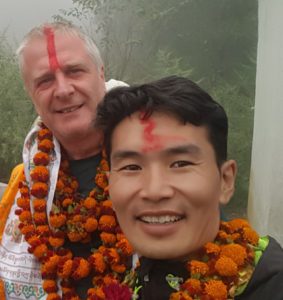
We had a fabulous time trekking around Wangda’s homeland. The whole trip was a great adventure from the jeep ride out of Kathmandu, the hospitality and friendship of the Sherpa people, the fantastic scenery and of course sunrise over Everest. Every day was different, the food always freshly cooked, tasty and well portioned. We stayed
Read More…
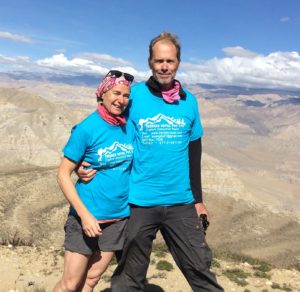
In September 2017, my wife and I went an unforgettably amazing trek in the Mustang region with Lakpa. In addition to being a very experienced and trained guide, Lakpa is also a Buddhist monk and was able to show us the cultural depth of this traditional region better than we could have ever imagined. Upon our return
Read More…
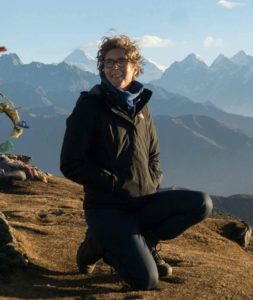
Last April I went on a beautiful trekking to Annapurna Basecamp with Wangda. Wangda is a very good guide and the trekking became a special trip because of all the interesting conversations we had and everything he told me about Nepal, India, and Buddhism among other things. Already during my trip I was fantasizing about
Read More…
Trekker Nepal is a associated with


 English
 Arabic
 Chinese (Simplified)
 Dutch
 French
 German
 Italian
 Portuguese
 Russian
 Spanish